Start With What Weight Loss Must Change
It often begins with a familiar frustration: eating less for a while, seeing some change, then watching hunger, portions, routines, or old weight return. Surgical weight-loss options are not simply different-sized versions of the same plan. Each is designed to alter something specific—how much food feels comfortable, how quickly food moves through the digestive tract, or how much digestion and absorption change afterward.
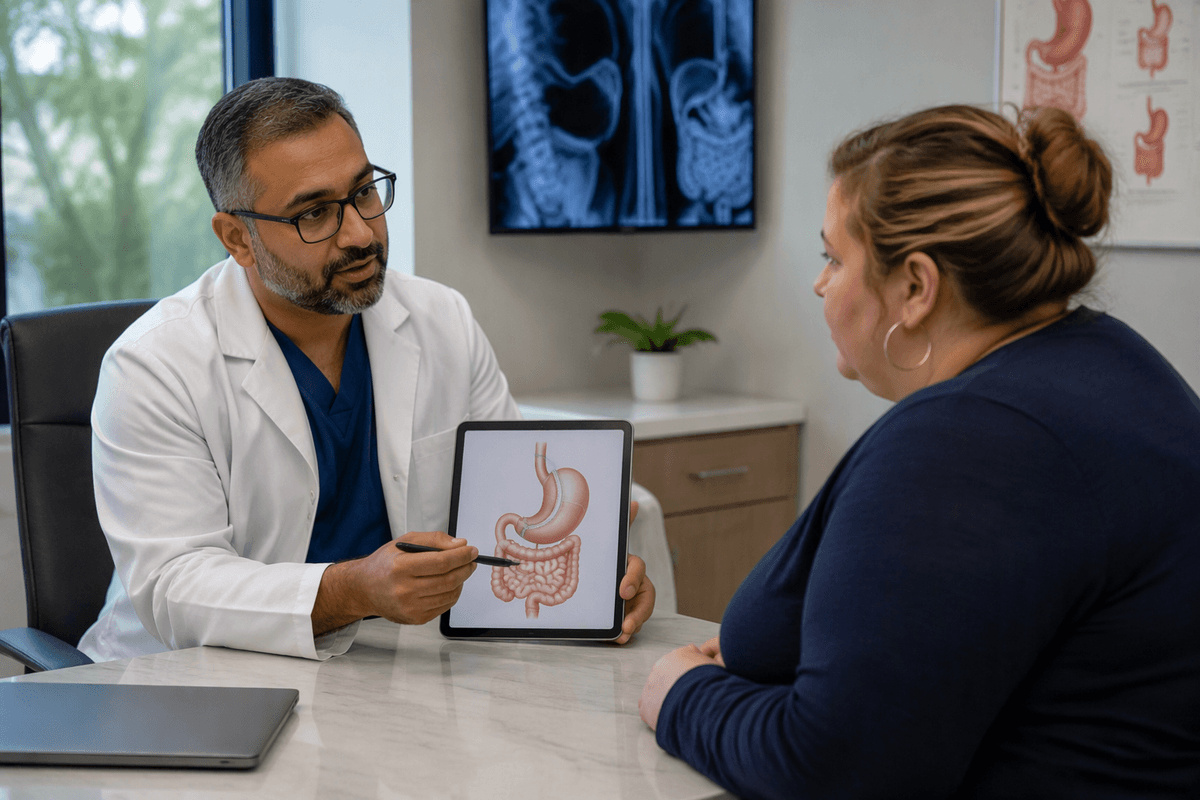
That difference matters because weight loss is only one part of daily life after surgery. A smaller stomach may make portions easier to manage but can also make rushed eating uncomfortable. A procedure that changes digestion more substantially may support greater weight change, while asking more of vitamin use, lab work, and long-term follow-up. Reflux, grazing habits, medication needs, and the amount of change someone hopes for can all shift the comparison. The useful question is not which operation is “best,” but what needs to change—and what ongoing trade-offs feel manageable.
Sleeve Gastrectomy Offers Simplicity With Reflux Trade-Offs
A few bites too quickly can make the change feel very concrete. Sleeve gastrectomy removes much of the stomach and leaves a narrow, tube-shaped stomach behind. Food still follows its usual path through the intestines, which can make the operation seem more straightforward than procedures that reroute digestion. Many people find that smaller meals become more natural, but the adjustment is not effortless: dense foods, eating fast, or drinking with meals may bring pressure, nausea, or discomfort.
Someone with little or no heartburn beforehand may still develop bothersome symptoms, while existing reflux can become harder to live with for some people. Weight change may improve it in certain situations, so the picture is not always predictable. Sleeve surgery also requires regular nutrition habits and follow-up, even though it generally changes absorption less than bypass-based options. The practical comparison is whether its relative simplicity fits the person’s eating patterns and reflux history, rather than treating it as the automatically easier choice.
Gastric Bypass Changes Eating and Metabolism
That first sweet drink or rushed meal can reveal a difference the diagram does not fully show. Gastric bypass creates a small stomach pouch and routes food past part of the stomach and small intestine. The smaller pouch limits meal size, while the new route can also change appetite, fullness, and metabolism. For some people, especially those weighing reflux heavily, bypass may be worth discussing because it can improve reflux symptoms more reliably than a sleeve.
Its greater effect comes with a less forgiving routine. Sugary foods or drinks may move through quickly and leave someone nauseated, shaky, sweaty, or suddenly tired—a pattern often called dumping. Tolerance varies, so it is not simply a matter of avoiding one “bad” food. Vitamins, minerals, protein intake, and regular lab checks matter more because absorption is changed, and bypass is harder to reverse than it may sound. The comparison is often less about choosing the strongest option than deciding whether these eating adjustments and monitoring demands fit everyday life.
Duodenal Switch Brings Greater Benefit and Burden
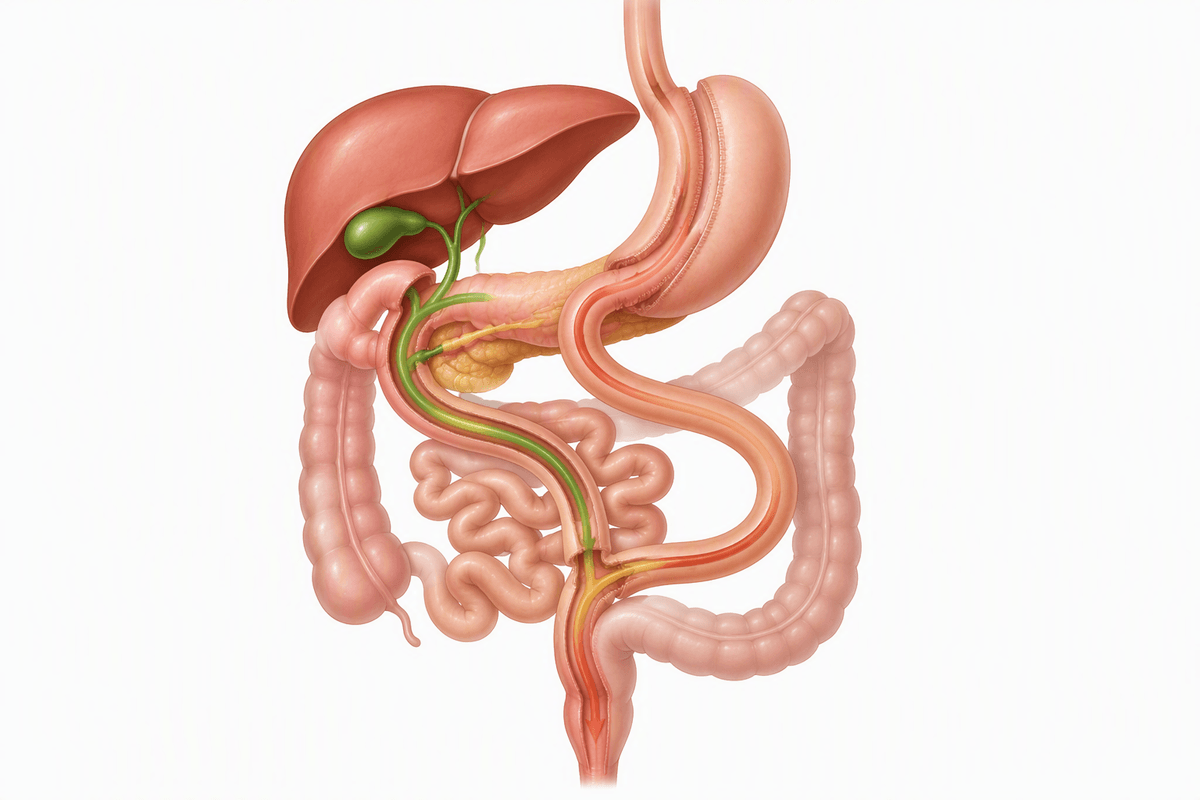
Meals may look small after any bariatric procedure, yet the duodenal switch changes more than portion size. It begins with a sleeve-shaped stomach, then reroutes food so it mixes with digestive juices much farther along the small intestine. That combination can produce greater weight loss and stronger metabolic effects than procedures that mainly limit intake. For someone who has lived with substantial weight-related limitations or needs a larger expected change, that added effect can make the option feel compelling.
The same feature that increases its impact also creates its burden. Less time for digestion and absorption can make protein, iron, calcium, and fat-soluble vitamin routines especially important, along with regular lab work and follow-up. Loose or more frequent stools, odor, and food tolerance issues can also become part of everyday planning. Results vary, and the operation is not a shortcut around eating adjustments. The harder question is whether the potential benefit outweighs a long-term routine that leaves less room for inconsistency.
SADI-S Uses Similar Principles With Different Logistics
At first glance, SADI-S can look like a simplified duodenal switch, and that comparison is useful—but only up to a point. It also starts with a sleeve-shaped stomach and reroutes digestion, using one intestinal connection rather than two. The goal is similar: combine smaller meals with less absorption to support a larger degree of weight change. For some people, the shorter reconstruction may make the surgical design and later anatomy easier to navigate than a traditional duodenal switch.
Daily life can still carry many of the same demands. Protein, vitamins, minerals, blood tests, and dependable follow-up remain central because digestion is substantially changed. Bowel habits may shift, and reflux deserves a careful conversation since the sleeve portion remains part of the procedure. The logistical difference should not be mistaken for a lighter commitment. It may suit someone seeking a strong metabolic effect with a somewhat different surgical arrangement, but the fit depends on whether consistent monitoring is realistic over the long term.
Adjustable Bands and Revisional Paths Have Narrower Roles
The adjustable gastric bands may seem less disruptive because they do not require changes to the intestines. The procedure places an inflatable ring around the upper stomach, restricting how much food passes through and helping smaller portions feel filling. That adjustability comes with practical drawbacks, though. Regular office visits are needed to modify the band, and eating may become uncomfortable when the restriction is too tight. Slippage, irritation, reflux, and eventual removal are also possible. Weight loss has generally been less consistent than with newer bariatric procedures, leaving gastric banding with a more limited role today.
Revision surgery depends heavily on what happened with the original procedure and what problem remains. Persistent reflux or limited weight loss may lead to reconsideration of a sleeve, while a gastric band may need to be removed and replaced. Bypass procedures may also require further evaluation when eating tolerance, weight regain, or nutritional problems become difficult to manage. Revision surgery can address those issues, but it is usually more complex than the initial operation and still requires ongoing follow-up. The most useful starting point is identifying the specific problem the next procedure is intended to address.
Match Follow-Up Capacity to the Procedure Chosen
A follow-up schedule can seem like paperwork beside a major surgical decision, until a missed lab test or a creeping food intolerance makes the routine more visible. Every procedure requires ongoing care, but the margin for inconsistency is not the same. Sleeve patients still need nutrition monitoring and support with eating patterns. Bypass, duodenal switch, and SADI-S generally place more weight on regular blood work, supplements, protein intake, and prompt attention to changes in energy, bowel habits, or tolerance.
Travel distance, insurance changes, work schedules, medication costs, and comfort with taking supplements can all make follow-up harder than intended. A procedure with greater expected weight change may still be a poor fit if its monitoring demands cannot be maintained. The most useful discussion includes practical details: who will order labs years later, how reliably supplements can be taken, and what support is available when habits slip. The right comparison often becomes clearer when the long-term routine is treated as part of the operation itself.