There are times when life feels unfair when setbacks seem personal and people appear to act with hidden agendas. Feeling wronged isn’t unusual, especially after repeated letdowns. But if this becomes the norm, if you often believe others are out to get you or that life is rigged, it may be more than bad luck. This thought pattern, often shaped by past pain, can settle in as a victim mentality. Without realizing it, it can color how you see situations, respond to others, and relate to yourself.
What Is Victim Mentality?
Victim mentality is a mindset where someone regularly feels mistreated or targeted, even in situations that may not actually involve unfairness. It doesn’t come from exaggeration or attention-seeking; it often begins with real hurt. But as time passes, that pain can settle into a default way of thinking, coloring how a person sees the world.
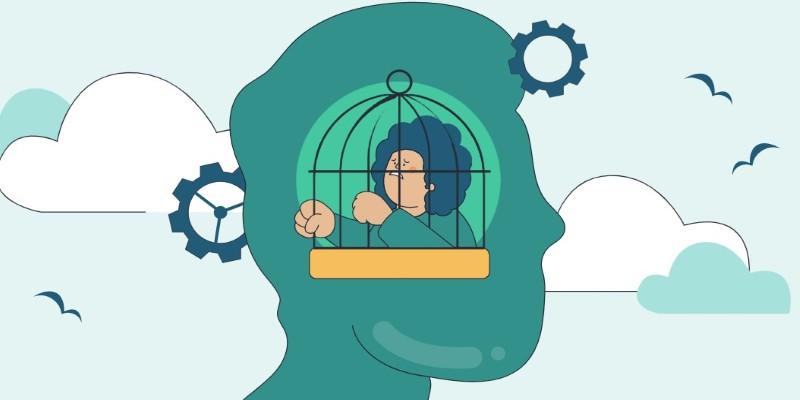
Small moments can start to feel like personal attacks. Being left off a group message might seem like deliberate exclusion. A curt reply from a friend could feel like rejection. The person begins to expect bad intent, even when there's no clear reason to. It’s not about drama, it’s about feeling stuck in a loop of disappointment and mistrust.
This way of thinking can eventually become part of someone’s identity. They begin to see life as something that happens to them, not something they can shape. That mindset chips away at motivation and connection, leaving a sense of helplessness that often goes unspoken but runs deep.
Why Does It Develop and How Does It Stay?
Victim mentality often takes root in real, difficult experiences, things like early rejection, chronic stress, betrayal, or emotional neglect. When someone grows up in an environment where they’re constantly blamed, ignored, or punished unfairly, they learn that the world isn’t safe or fair. That belief doesn’t just sit quietly in the background; it begins to shape how they move through life.
If those early experiences are never addressed or understood, they don’t go away. Instead, they stay active, influencing how someone reacts, what they expect, and how they interpret others' behavior. The brain stays on alert, always watching for signs of danger or disrespect, even when none exist. It becomes a survival pattern that’s hard to notice and even harder to shake.
What makes this mindset stick is how it feeds itself. Feeling wronged can draw support or validation. It feels safer to point outward than to look inward, especially if self-reflection brings up shame or uncertainty. And when the people around someone always reinforce the idea that they’re being mistreated, the pattern keeps recycling. Without pushback or honest conversation, it becomes the default story, and that story becomes a lens on everything.
How It Shows Up in Daily Life?
Victim mentality doesn’t always announce itself loudly. It usually shows up in quiet, familiar ways that repeat over time. You might hear it in the person who says, “Nothing ever works out for me,” or “People always let me down.” When things go wrong, the spotlight often lands on someone else’s mistake. Rarely is there a pause to ask, “What can I change?” And when something goes right, it’s often brushed off as luck, not effort.

In relationships, this mindset can feel like walking on eggshells. Ordinary disagreements are taken as personal attacks. A bit of feedback? Instantly seen as criticism. That reaction can push people away or create distance where there didn’t need to be any. It turns conversations into standoffs and closes the door on real connection.
This thinking also shrinks how someone moves through the world. Fear of rejection or failure can make even small risks feel dangerous. So, they hold back, avoiding new roles, new people, or anything uncertain. As life starts to feel smaller, the belief that the odds are stacked against them gets stronger.
There’s a physical toll, too. Stress and emotional exhaustion can build into sleep issues, low focus, and an always-on sense of alert. The body stays ready for something to go wrong. And when the belief becomes a habit, it can lead to unintentional sabotage, keeping distance from others, or turning away support. That loneliness then feels like proof: "See? People always leave."
What Shifting the Mindset Looks Like?
Letting go of victim mentality doesn’t mean pretending nothing’s ever gone wrong. It means noticing the mental reflex that says, “Why does this always happen to me?” or “They did this to hurt me,” and being willing to pause before acting on it. That pause is everything. It opens the door to ask different questions like, “Is there another way to look at this?” or “Could something else be going on here?”
These aren’t just mental tricks. They’re how we interrupt old stories and give ourselves a shot at something different. Maybe your friend didn’t respond because they were overwhelmed, not because they’re pulling away. Maybe that offhand comment wasn’t meant as criticism. Asking these questions doesn’t erase the frustration, but it gives room for interpretation, and with that comes freedom.
Talking with a therapist can be useful, especially when those patterns are tied to deeper pain or long-standing mistrust. A good therapist won’t just agree with you—they’ll help you slow down, look again, and question the script you’ve been living with.
Change also grows from small, honest actions: saying what you need, standing firm on a decision, or admitting you misread someone. It’s not always smooth, but it builds confidence.
And the people around you matter. Spend time with those who are grounded and real people who tell you the truth kindly and don’t feed the drama. Sometimes, shifting the mindset means shifting the company too.
Conclusion
Life isn't always fair, and feeling hurt is real. But when blame becomes the automatic response, it traps people in a cycle that narrows their options. Victim mentality often starts with genuine pain, then quietly shapes how someone sees the world and what they believe they can do. Shifting that mindset takes patience. It's not about ignoring what's happened; it's about recognizing the small places where choice exists. And in those quiet shifts, the possibility for change begins to grow.