Most people only think about money when they’re running low. But your financial health, like your physical health, needs regular attention. You don’t have to be wealthy or even “good with money” to make progress. What matters is knowing where you stand and making choices that support stability.
It’s not about chasing perfection. It’s about building a steady foundation so your money works for your life—not the other way around. Improving your financial health starts with simple habits, not dramatic changes or complex strategies.
Understand Your Current Financial Picture
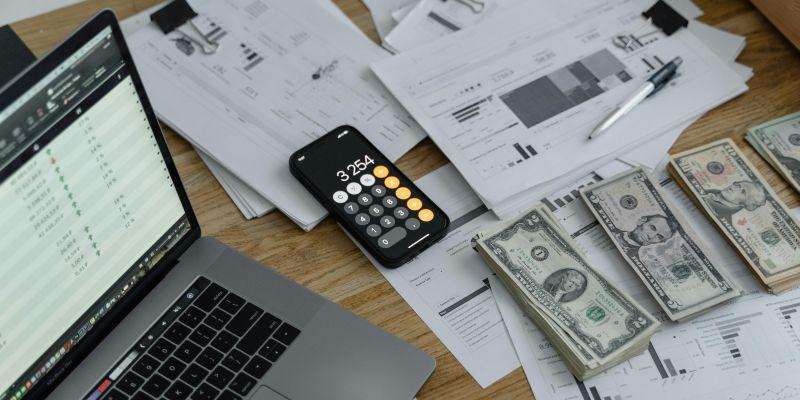
You can’t make improvements without first understanding what needs attention. Start by writing down what you earn, spend, owe, and own. If this step feels uncomfortable, you’re not alone. Many people avoid looking too closely at their finances because they fear what they’ll see. But this clarity is necessary.

Begin with your monthly income. Include everything, from your primary job to freelance work or child support. Next, review your expenses. Fixed expenses are things like rent, loan payments, and insurance. Variable expenses include groceries, fuel, and other day-to-day costs. Once you lay it out, you might find areas where you’re overspending without realizing it.
Then move on to debt. List credit cards, student loans, or anything else you owe, along with interest rates and minimum payments. On the flip side, take note of your savings—how much you have set aside for emergencies or future needs. It’s okay if you don’t like the numbers. What matters is that you now see them clearly.
This honest picture lets you start making informed decisions. It might reveal patterns, like how often you rely on credit at the end of the month or how much goes toward small, frequent purchases. Awareness is the first move toward financial stability.
Build a Simple Plan with Realistic Goals
Once you’ve got the facts in front of you, it’s easier to plan. But instead of a complicated spreadsheet, aim for a basic, working budget that reflects your goals and lifestyle. This plan should help guide your spending—not restrict it.
Think about what you want in the next year. Maybe it’s paying down a credit card, starting an emergency fund, or saving for a larger purchase. Set a clear number and a timeline. Instead of saying “I want to save,” say “I want to save $300 in three months.” Small, clear goals are easier to track and reach.
Now connect your budget to those goals. That could mean spending less on takeout, pausing an unused subscription, or setting aside money automatically each week. Don’t try to fix everything at once. Prioritize one or two goals that feel important and realistic for your situation.
Keep the plan flexible. If something changes—your income dips or an unexpected expense shows up—adjust without giving up. A good plan doesn’t collapse under pressure; it bends. As long as you’re still moving forward, you’re doing it right.
Start Small but Be Consistent
When trying to improve your financial health, it’s tempting to make drastic changes. But what works better is doing small things over and over. Repetition builds habits, and habits shape results.

Pick one habit to focus on. Maybe it’s reviewing your bank account once a day, rounding up purchases into a savings account, or setting a limit on non-essential spending. Whatever it is, make it easy to follow and repeat. The goal is to create momentum, not overwhelm.
Debt repayment is a good place to apply this thinking. Even an extra $15 each month toward a credit card balance makes a difference. It helps reduce what you owe and lowers future interest. If that feels manageable, keep going. Over time, small extra payments grow into real progress.
The same logic applies to saving. You don’t need large sums to start. Transferring $10 from each paycheck into savings is enough to build a habit. As it becomes automatic, you’ll likely find ways to increase it without much thought.
Track your progress in a way that feels personal—on paper, in an app, or just a list on your fridge. Watching debt shrink or savings grow, even slowly, helps reinforce your efforts. You don’t have to be fast. You just have to keep going.
Protect Your Future Without Overstretching
Financial health isn’t only about today—it’s about what happens when life throws a curveball. You don’t need to predict the future, but you do need a way to handle it. That means preparing, even in small ways, for unexpected events.
Start with an emergency fund. You don’t need to build it overnight. Begin with one paycheck’s worth of expenses, then work toward one month. Keep it in a separate savings account, so it’s available but not easy to spend casually.
Look at your insurance. Health, car, renters, or home—whatever applies to you, make sure you’re not underinsured. Insurance won’t stop a problem from happening, but it can keep it from turning into a major financial crisis. Once a year, review your coverage and shop around to make sure you’re getting fair rates.
If your job offers retirement benefits with matching, try to contribute at least enough to get the match. That's money you'd otherwise leave on the table. If you don't have access to a workplace plan, you might consider opening an individual retirement account. Contributions can be small. What matters most is starting early, so time can do the work.
Protection isn’t about fear. It’s about creating space to breathe when the unexpected happens. The more you prepare, the less stressful money becomes when life shifts.
Conclusion
Improving your financial health doesn’t require major changes overnight. It’s about understanding where you stand, setting practical goals, and making small moves that add up over time. Real progress comes from consistency, not perfection. Even if your starting point isn’t ideal, the act of paying attention and making better decisions is a big step forward. Your money doesn’t have to be a source of stress. With clear habits, basic planning, and a little patience, you can build a steadier life for yourself. What matters most is starting where you are, with what you have, and sticking with it.