You are about to start one of the most exciting adventures of your life. South America gives you mountains, beaches, culture, great food, easy hostels and chance encounters with friendly people. This guide helps you plan smartly, travel safely, and get the most from your trip. I’ll cover where to go, how to pack, how to meet people, and simple safety tips so you feel confident from day one.
Why go solo in South America?
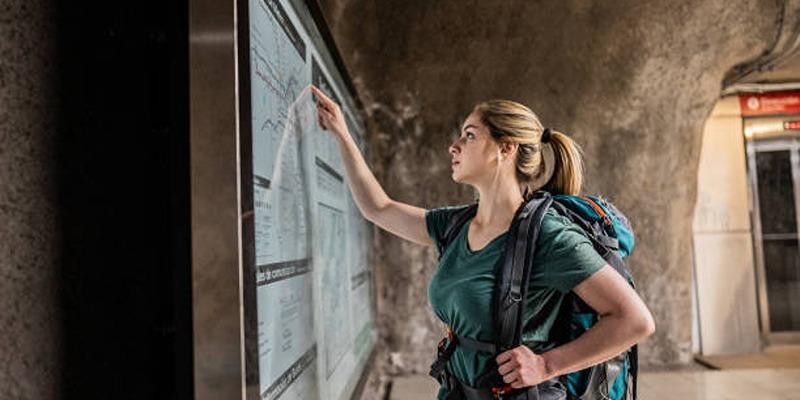 Solo travel gives you freedom. You set the pace, choose the places you want, and change plans without asking anyone. South America works well for solo travellers because it has a strong hostel culture, many day tours, and lots of shared activities like hiking and cooking classes. If you enjoy learning new things and meeting people, you will find ways to connect every day.
Top places to visit
South America is a treasure trove of diverse landscapes, vibrant cultures, and rich histories. From breathtaking natural wonders to bustling cities, there’s no shortage of incredible destinations to explore.
Peru — ancient sites and city life
Peru blends city life and history. You can explore lively Lima, try local food, and take a trip to Cusco and Machu Picchu. Many day tours and group treks help solo travellers meet others and see the key sights safely and easily.
Patagonia — wild mountains and quiet trails
If you love wide landscapes and long walks, head to Patagonia in Argentina and Chile. Trails, short guided treks and small-group tours make it simple to join others for a day or longer. The scenery will keep you moving and inspired.
Iguazu & waterfalls — nature close to cities
Iguazu Falls sits on the Argentina–Brazil border and offers easy boardwalks and viewpoints. You can combine city time with a nature day trip, which is perfect when you want variety without complex planning.
Colombia, Ecuador and Chile — mix of culture and coast
Colombia gives lively cities and coastal escapes. Ecuador is compact and simple for moving around. Chile offers deserts, mountains and a long coastline—all easy to mix into a route that fits your time and mood.
How to plan your route
Planning your solo travel route in South America starts with understanding your own travel style. Do you enjoy busy cities, quiet mountains, or a mix of both? Once you know your preferences, it’s easier to create a journey that excites you every day.
1. Choose your starting point wisely
Pick a city that’s easy to fly into and has good connections to other destinations. Cities like Lima, Santiago, Buenos Aires, and Bogotá work well because they have many flights, comfortable bus networks, and a variety of nearby attractions.
2. Focus on a few key regions
South America is huge, so you can’t see everything in one trip. Select two or three main regions and explore them deeply instead of rushing through many places. For example, you might combine Peru and Bolivia for culture and nature, or Argentina and Chile for mountains and wine regions. This approach saves travel time and money.
3. Arrange destinations in a logical order
Look at a map and group destinations that are close together. Moving in a logical line or loop prevents backtracking and makes transport easier. You might travel north to south along the Andes or do a circle within one country.
4. Mix busy days with rest days
Travelling every day can be tiring. Plan two or three sightseeing days followed by a lighter day for rest, laundry, or a short local walk. This keeps your energy up and helps you enjoy each experience.
5. Use a mix of transport
Buses are great for short to medium distances and give you views of the countryside. For longer stretches, book a budget flight to save time. Some travellers also use trains in certain areas, like the scenic routes in Peru or Argentina.
6. Stay flexible
Book only your first night’s stay in each new city, unless it’s high season. This gives you the freedom to leave earlier if you don’t connect with a place or to stay longer if you fall in love with it.
7. Keep travel times in mind
Long bus rides can take 8–12 hours. If you have limited time, avoid too many long journeys. Overnight buses can save on accommodation, but choose a reputable company with good safety records.
8. Add buffer days
Delays can happen due to weather or transport schedules. Keep at least one or two spare days at the end of your trip so you don’t feel rushed if plans change.
Packing essentials
- A sturdy daypack and a comfortable main backpack.
- Lightweight clothes that layer—temperatures change fast between coast and mountains.
- A rain jacket, good walking shoes, and a sun hat.
- A small first-aid kit, photocopies of your passport, and a power bank.
- A reusable water bottle and simple locks for hostel lockers.
Pack light. Carry only what you need and leave room for local finds.
Money and documents
Handling your money and keeping your documents safe are key parts of a smooth solo trip in South America. A little preparation before you leave can save you stress and make travel easier.
- Carry some local cash for your first day to cover transport and small purchases.
- Use ATMs at banks for better security and exchange rates.
- Keep a backup bank card in a separate, safe place from your main card.
- Store your passport securely in a hidden pouch or hotel safe.
- Make photocopies and digital scans of all important documents.
- Email copies to yourself so you can access them from anywhere if needed.
Meeting people and making friends
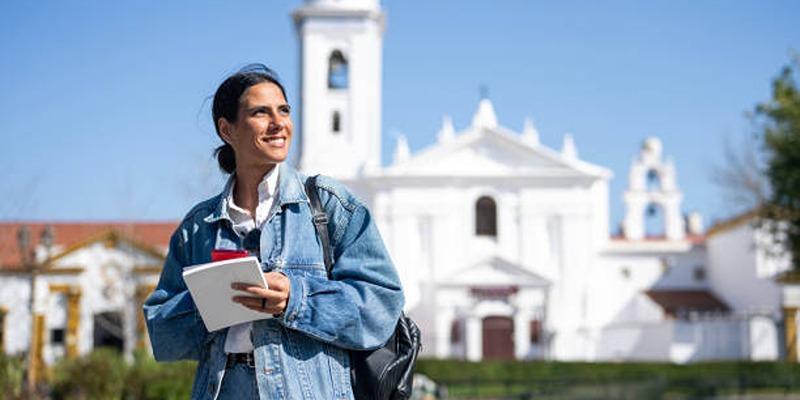 Meeting new people while traveling can be an enriching and rewarding experience. It opens opportunities to learn about different cultures, share stories, and build lasting friendships.
Stay in hostels and join tours
Hostels and small-group tours are the easiest ways to meet others. Look for hostels with shared dinners or pub crawls if you want social evenings. Day tours to ruins, markets, or hikes connect you with like-minded travellers.
Learn simple Spanish phrases
Even basic Spanish opens many doors. Try greetings, ordering food, and asking for directions. Locals appreciate the effort and you will find it easier to make friends and get tips.
Health and safety (simple, practical)
- Trust your gut. If a place or situation feels off, leave.
- Keep valuables out of sight and use locks in hostels.
- Share your plans with someone back home and check in by message.
- Use official taxis from apps or hotel desks when you arrive at night.
- Carry small amounts of cash separately so you don’t lose everything at once.
These steps keep things easy and reduce stress on the road.
Smart tech tips
Use offline maps and download translation apps before you travel. Keep a list of embassy contacts and local emergency numbers. A simple phone plan or local SIM card will help with navigation and staying in touch.
Simple day-by-day sample (one-week idea)
- Day 1: Arrive, rest, and walk the main plaza.
- Day 2: Join a half-day city tour and try local food.
- Day 3: Travel to a nearby nature spot or market.
- Day 4: Book a guided day hike or boat tour.
- Day 5: Free day to relax or explore museums.
- Day 6: Take a longer trip to a nearby town or beach.
- Day 7: Return, pack, and prepare to move on or fly home.
This plan balances rest and activity so you feel fresh and curious.
Conclusion
South America invites you to explore, learn and meet people from all walks of life. Travel at your pace, use local tours to connect, and follow the simple safety and packing tips above. Start with a clear plan, stay flexible, and let the continent surprise you. Pack a light bag, keep an open mind, and get ready to tell great stories when you return.