Why Spinal Compression Fractures Create Difficult Choices
It can begin with a sharp catch while getting out of bed, or a back ache that seems out of proportion to a small lift or stumble. A vertebral compression fracture may develop when a weakened spinal bone collapses under ordinary pressure, sometimes without one memorable injury. Pain, lost height, or a more rounded posture can make the change feel urgent, but the next step is not always obvious.
The difficult part is separating two concerns that often arrive together. The fracture may be causing pain and limiting movement now, while the bone weakness that made it possible needs attention over time. Procedures such as vertebroplasty and kyphoplasty are considered for selected fracture-related symptoms; they do not rebuild overall bone strength or guarantee that every ache comes from the fractured vertebra. Fracture age, location, shape, and whether symptoms are still changing can all affect the discussion.
Both Procedures Stabilize Fractures With Bone Cement
On an imaging scan, the fractured vertebra may look like a small area of collapse, but the goal of either procedure is usually more practical: to steady that bone so painful movement is less likely to keep triggering it. In vertebroplasty and kyphoplasty, a clinician places bone cement into the weakened vertebra through a needle-like instrument. As the cement hardens, it can support the damaged area and may reduce pain linked to the fracture.
The similarity can make the names feel interchangeable, especially when someone is focused on getting mobile again. Yet neither procedure treats osteoporosis itself, and neither can confirm that all back pain will disappear afterward. They tend to be considered when the fracture appears to match the person’s symptoms and pain remains difficult despite initial care. A fracture that is older, already stable, or not clearly responsible for the discomfort may make the expected benefit less certain.
Balloon Expansion Creates the Main Procedural Difference
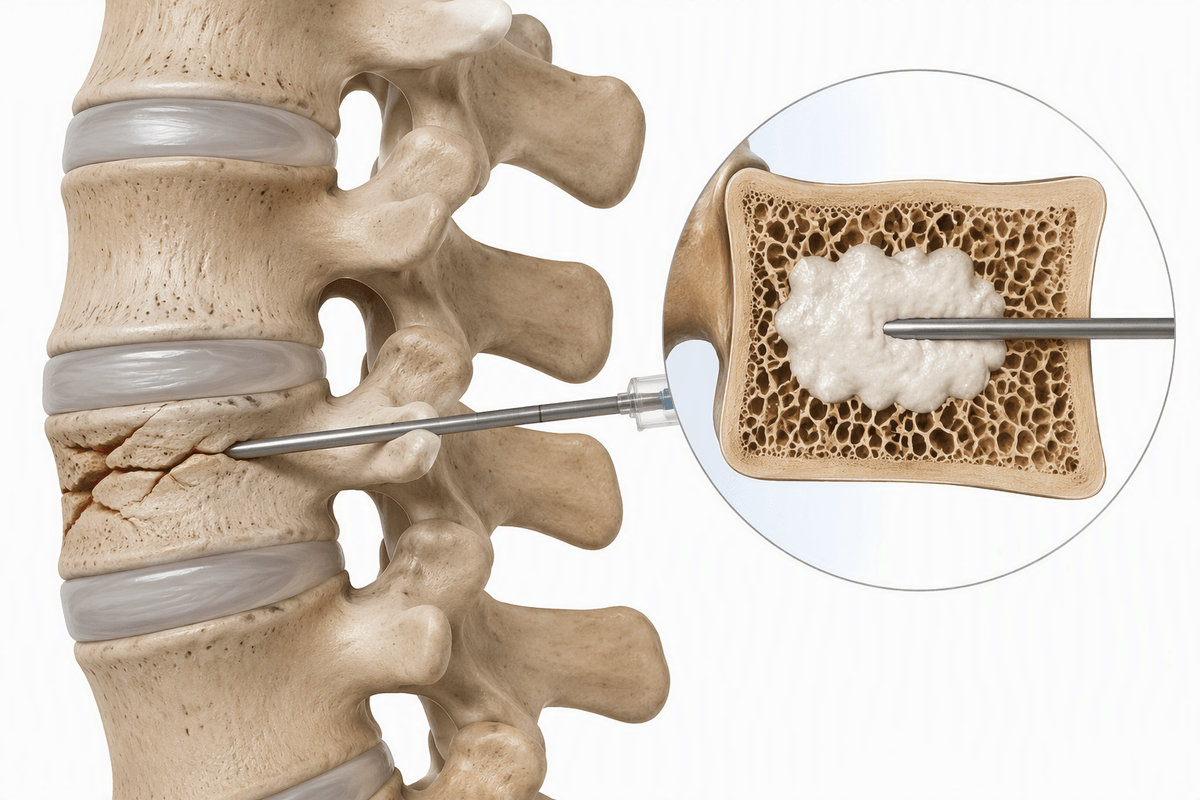
A small distinction during the procedure can carry a lot of weight in the conversation. In kyphoplasty, a clinician first places and gently inflates a balloon inside the collapsed vertebra, creating a space before cement is added. The balloon may lift part of the compressed bone and can sometimes restore some lost height. In vertebroplasty, cement is placed directly into the fracture without that balloon-expansion step.
That difference does not automatically make kyphoplasty the better fit. Restoring height on an image may not translate into a noticeable change in posture, comfort, or daily movement, particularly when the fracture is older or the collapse has already settled. Balloon use also adds a procedural step, while the amount of correction possible depends on the fracture’s shape and flexibility. For someone whose main goal is less pain when standing, turning, or walking, the more useful question is often whether the painful vertebra still appears to be the source of the limitation.
Pain Relief Can Be Meaningful but Variable
The first easier turn in bed or shorter walk to the kitchen can feel like proof that the procedure solved the problem. Some people do report substantial relief after vertebroplasty or kyphoplasty, especially when pain is closely tied to a recent, active fracture. But the result is not equally clear for everyone. Pain may also come from strained muscles, arthritis, older fractures, or the guarded way someone has been moving since the injury.
A procedure may stabilize the painful vertebra without immediately reversing stiffness, weakness, or the fear of bending and standing upright. Relief can also be harder to predict when symptoms have been present for a long time or imaging does not clearly match the area that hurts. For that reason, the decision is usually less about choosing the procedure with the most dramatic promise and more about judging whether this particular fracture is still likely to be driving the daily limitation.
Height Restoration Does Not Always Change Daily Function
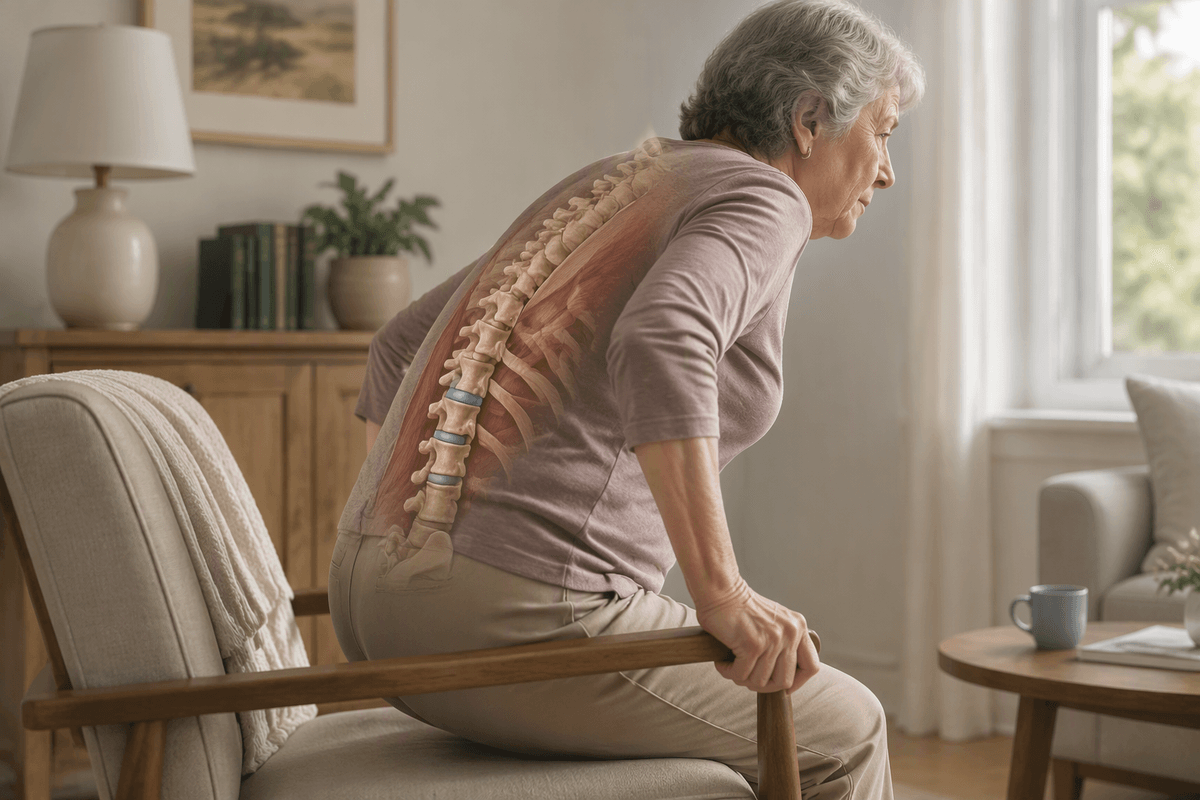
Seeing a little more vertebral height on a follow-up image can sound like a clear win, especially after a visible change in posture. Yet the day-to-day effect may be modest. A single compressed vertebra is only one part of how a person stands, balances, and moves; muscle guarding, several older fractures, and long-standing spinal curves can continue to shape those habits even if some height is regained.
This is one reason balloon-based kyphoplasty is not chosen solely for the possibility of correction. The vertebra has to remain flexible enough to change, which is less likely once a fracture has healed into its compressed shape. Even when correction occurs, it may not remove pain with walking or make bending feel normal right away. For many people, the more meaningful measure is whether getting dressed, rising from a chair, sleeping, or taking a short walk becomes less difficult—not whether the scan looks closer to its earlier shape.
Cement Leakage Shapes Much of the Safety Discussion
A scan can look reassuring while still leaving one practical concern: where the cement goes as it is placed. With either procedure, a small amount can sometimes escape beyond the vertebra. Often this causes no noticeable problem and is found only on imaging, but leakage is part of the safety conversation because cement near nerves, blood vessels, or the spinal canal may carry more serious consequences in uncommon situations.
Kyphoplasty’s balloon creates a space before cement is injected, which may allow cement to be placed with less pressure than in vertebroplasty. That does not mean leakage cannot occur, and it does not make one option automatically safer for every fracture. The risk can depend on cracks in the vertebral wall, the fracture’s location and shape, and how cement spreads during the procedure. Asking how the imaging findings affect that risk can be more useful than relying on the procedure name alone.
Recovery Depends on More Than the Procedure
The trip home may be shorter than expected, yet the first few days can still feel uneven. Stabilizing a fractured vertebra may reduce a source of pain, but it does not instantly undo the stiffness, shallow breathing, muscle weakness, or cautious movement that can build up after days or weeks of protecting the back. Some people notice that standing or turning becomes easier before walking farther or sleeping comfortably does.
Recovery also depends on whether the fracture is healing, how many other spinal changes are present, and whether the underlying bone weakness is being addressed. Activity may need to increase gradually, which can be frustrating when pain has already interrupted normal routines. New or worsening pain, numbness, weakness, fever, or trouble with bowel or bladder control deserves prompt medical attention rather than being assumed to be part of recovery. The procedure can be one part of the plan; regaining confidence in everyday movement often takes longer.