What most people expect from a patient portal
The first time you open a patient portal, it can feel like checking a bank account: you expect everything to be there, neatly labeled, and up to date. Most people are looking for the basics—recent lab results, a clear medication list, upcoming appointments, and a way to confirm what the doctor said without relying on memory. When you’re juggling multiple clinics, that expectation gets sharper, because you’re often trying to answer simple questions (“Was that cholesterol test done last month or not?”) without digging through papers or making calls.
What a portal usually does well is create a time-stamped trail: test names, result dates, and visit notes that don’t shift around depending on who you ask. A medication may be listed but missing a dose, an allergy might be buried in an older note, or a follow-up plan may exist only as a line in a summary you didn’t notice. That “almost everything” feeling is often the first signal to look closer.
How portals gather records from multiple care systems
You notice it when you try to line up two dates: the lab you did at a standalone facility shows up, but the specialist visit that ordered it doesn’t. It can feel like the portal is “missing” information, when it may actually be showing you only what that health system can see directly. Many portals are tied to a specific hospital or clinic network, so anything done outside it has to be pulled in through sharing connections, imported documents, or manual scanning—each with its own delays and blind spots.
When the connections do work, the portal starts to look less like a folder and more like a feed. Results get tagged with where they came from, when they were finalized, and sometimes which version you’re viewing if a report was corrected. Trend views (like A1C or thyroid labs) can quietly expose gaps: a missing quarter, a duplicate test you didn’t realize was repeated, or a medication change that appears without the matching note. That unevenness is common—and it’s often the clue that one of your care sites isn’t fully connected yet.
Seeing results early can create unnecessary worry
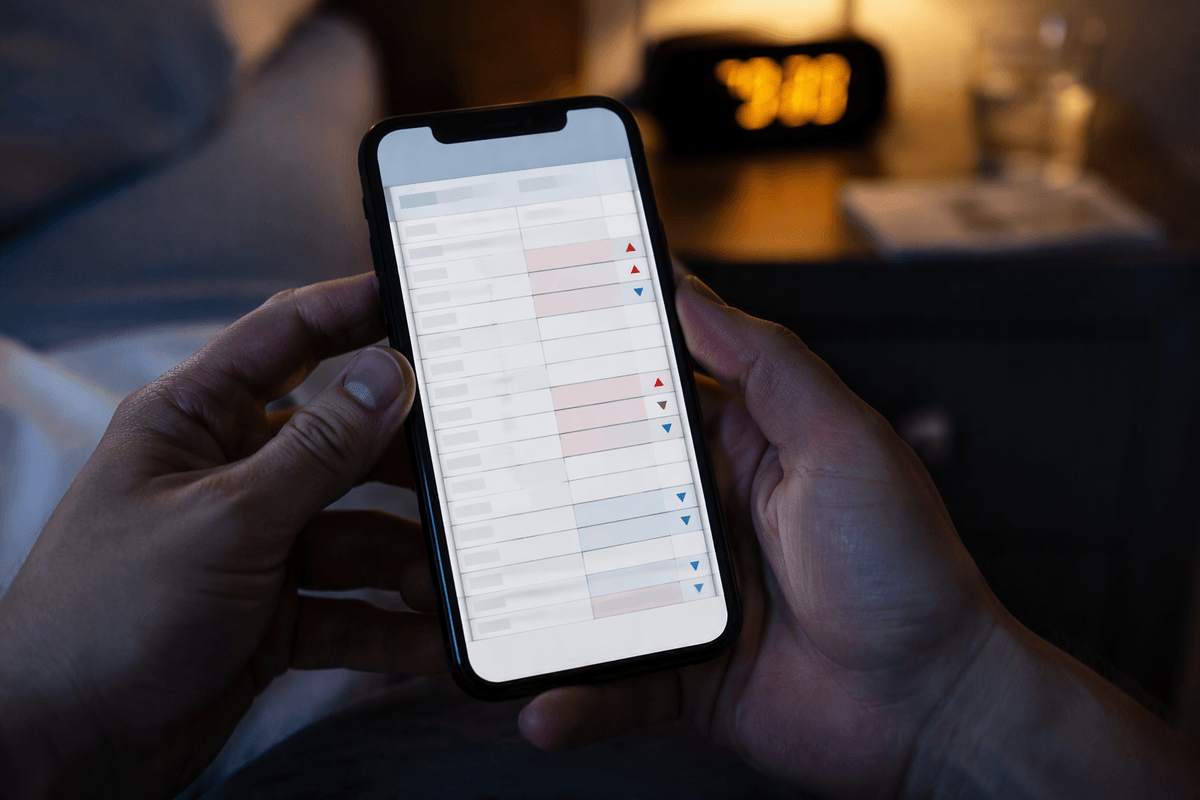
It often happens late at night: you refresh the portal and a new lab result appears before anyone has called. A number is highlighted, a little “H” or “L” sits beside it, and suddenly you’re doing mental math against a reference range you didn’t know existed yesterday. The portals can post results as soon as the lab finalizes them, not when a clinician has reviewed them. Some results also arrive in pieces—one panel shows up, then a related note or interpretation comes later—so the first thing you see can feel more alarming than the full picture.
Even when the value is truly outside the lab’s “normal,” the meaning can be situational. A slightly off electrolyte after a stomach bug may read the same as a trend that’s been drifting for months. Portals help by time-stamping and showing trends, but they can’t always show context: whether a sample was fasting, whether a medication changed that week, or whether a report was later corrected. The worry usually isn’t irrational—it’s just happening earlier than the explanation.
Organizing medications and allergies reduces repeat mistakes
You usually feel it in the waiting room, when the intake screen asks you to “confirm your medications” and the list looks almost right. A blood pressure pill is there, but the dose is old. A vitamin you stopped months ago is still active. Or an antibiotic from an urgent care visit lingers like it’s part of your daily routine. Portals can turn this into something more concrete than memory by showing when each medication was added, who added it, and sometimes which visit it came from—useful when two offices both assume the other one updated the record.
Allergy lists can be even trickier, because they often mix true reactions with side effects or “not sure” notes. If a portal lets you see the wording and the date it was entered, you can spot why the record keeps causing friction: a vague “penicillin” label with no reaction, or an outdated entry that keeps triggering substitute prescriptions. The lists may not sync perfectly across systems, so the same item can reappear with slightly different details.
Visit summaries turn care into searchable documentation
The day after an appointment, you may notice a new “After Visit Summary” sitting in the portal, and it can look oddly formal compared to what you remember. A problem name is spelled differently than how it was said out loud. A follow-up is listed as “as needed,” even though you heard “in three months.” That mismatch doesn’t always mean something went wrong, but it’s where scattered care starts to leave fingerprints: the summary is often the first place a medication change, referral, or test order shows up in writing.
What makes these summaries valuable is that they’re searchable and time-stamped. Weeks later, when you’re trying to answer “Why am I taking this?” you can often trace it back to a specific visit, the clinician’s assessment, and the plan that was documented. The summaries can be templated or incomplete, so a missing imaging order or an unexplained dose change may be a quieter signal to look for an addendum, a separate note, or a message thread that never got attached.
Messaging and refill tools change how care happens

You notice the shift the first time you don’t call the office. A question that would’ve become phone tag—“Was I supposed to stop this med?” or “Do I need labs before the next visit?”—turns into a portal message with a time stamp and, sometimes, a quick reply that’s visible to the whole care team. That visibility can help when you’re seeing multiple doctors, because the same clarification doesn’t have to be repeated from memory. But it can also feel uneven: one clinic answers in a day, another in a week, and the thread may read curt simply because it’s squeezed between appointments.
Refill tools change the rhythm even more. When a refill is approved, denied, or rerouted, the portal often leaves a trail—who acted, when, and what was requested. That trail can expose quiet problems: a medication still listed but “not on file” at the pharmacy, a dose that doesn’t match the last visit summary, or a refill stuck because the system expects a follow-up you didn’t realize was overdue. It doesn’t remove confusion, but it makes the friction easier to spot.
Privacy controls and shared access shape usefulness
The moment you try to pull up a lab while sitting next to a spouse or adult child, you can feel the portal’s convenience collide with privacy. A shared login seems easier until it isn’t: messages about one issue sit right beside a refill request, and old visit summaries can surface topics you didn’t mean to “share,” just because they’re part of the same record. Some portals let you set who can see what, but those controls aren’t always intuitive, and they may differ by clinic—even when the screen design looks identical.
Shared access can be genuinely helpful for people managing multiple appointments, but it’s rarely all-or-nothing in real life. Proxy access might show upcoming visits but hide sensitive notes, or allow messaging without exposing every result trend. Your record can still be copied elsewhere: an office prints an after-visit summary, a referral sends a note, or an insurance portal pulls a claim. The portal is a strong organizing tool, but it doesn’t eliminate the need to decide who really needs the full picture.