First-timer expectations: Adriatic vs Alps trade-offs
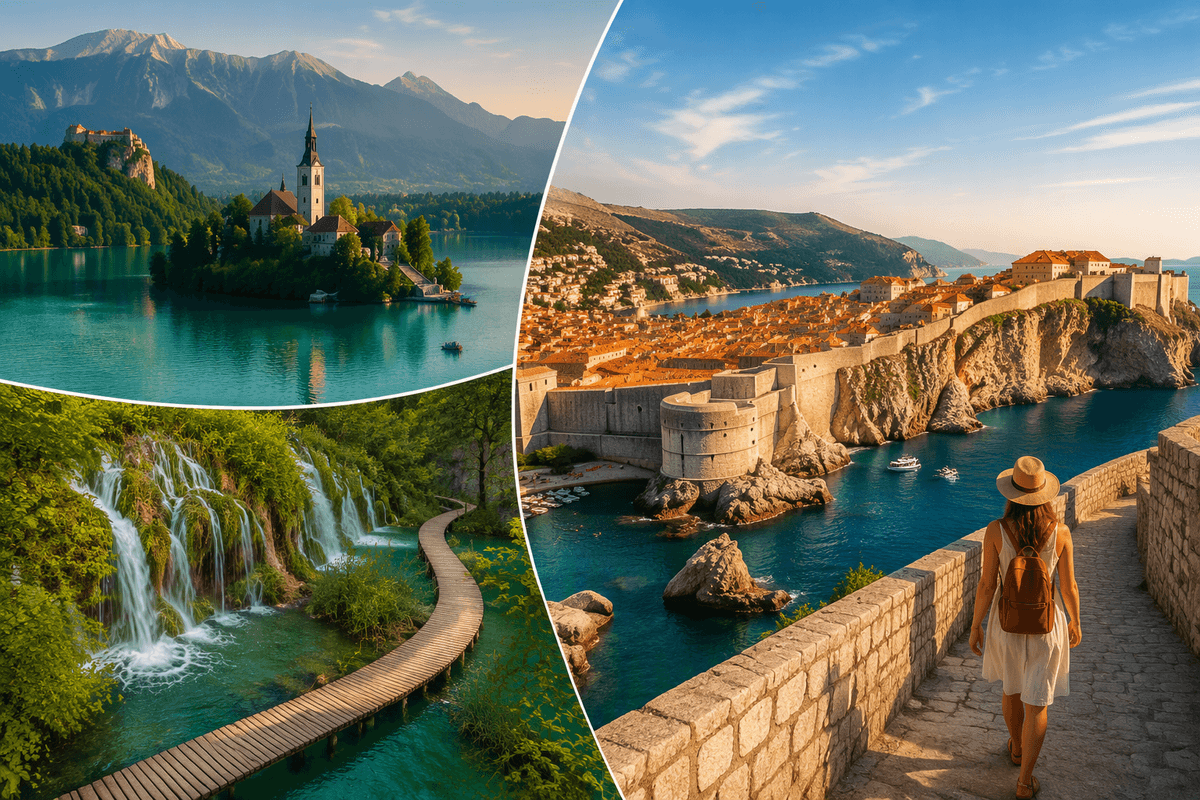
The first real decision isn’t “Croatia or Slovenia?”—it’s whether you want your trip to lean salty or alpine. The Adriatic version (Split, islands, Dubrovnik) rewards you with postcard scenery on repeat, but it’s also where your time disappears into logistics: ferry timetables, check-in/out churn, and the slow bleed of searching for parking when you arrive hot and late. It works best if you can tolerate crowds and you’re willing to anchor to a couple of bases instead of hopping every night.
The Alps-leaning version (Ljubljana, Lake Bled, maybe a day in the mountains) is usually calmer and more predictable day-to-day, but it trades “wow” coastline variety for shorter loops and earlier nights—especially if weather turns and that lakeside walk you imagined becomes a drizzle lap. Trying to do both at full intensity often creates the worst of each: long one-way legs, a border crossing in the middle of a travel day, and a sense you’re always arriving just as the place gets good.
If you have 10–14 days and limited PTO, pick your headline: coast-first with one alpine reset at the end, or Slovenia-first with a short, tight hit of the coast. Either way, plan around the pinch points—summer ferries, Dubrovnik crowds, and any one-way transport choices—so the trip feels designed, not improvised under pressure.
Days 1–2 Zagreb: Must old town; Opt museums; Skip nightlife
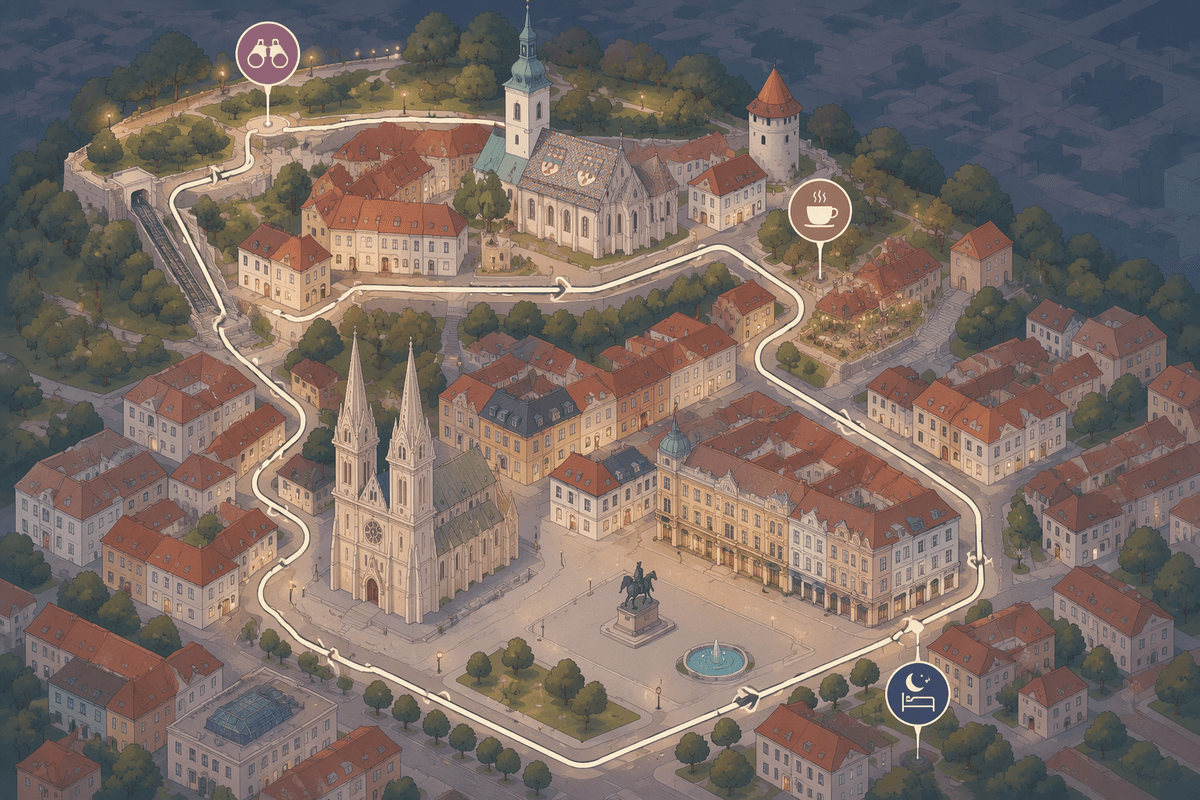
Our first small decision in Zagreb was whether to treat it like a “destination” or a decompression stop—and that choice changes how the next week feels. If you’re landing midday, the old town loop (Upper Town/Gradec down toward the main squares) works unusually well because it’s legible on foot and doesn’t require perfect timing: you can climb up, wander the lanes, grab a coffee, and still be in bed early without feeling like you wasted the day. If you try to tack on too many “musts” before you’ve even adjusted, Zagreb is where you’ll quietly burn energy you need for Plitvice’s long walking day.
For Day 2, museums are the optional lever. If weather is gray—or you’re nursing travel fatigue—choose one strong indoor block and commit, instead of museum-hopping across town. The museum time has a sneaky cost: it pulls you away from errands that matter for the coast run (buying snacks, sorting SIM/eSIM, confirming the next day’s early departure). Do the museum, but don’t let it crowd out logistics.
What I’d skip is night life as a “make the most of it” impulse. It’s not that Zagreb can’t be fun; it’s that a late night is the fastest way to turn Day 3 into a slog—especially if you’re picking up a car, learning parking rules, or trying to get out before traffic. In a 10–14 day plan, Zagreb pays you back most when it sets your rhythm: walkable evening, early sleep, clean start.
Days 3–4 Plitvice+Split: Must lakes; Opt beaches; Skip tours
The first friction point on Days 3–4 is that Plitvice and Split don’t naturally fit in the same “easy” day unless you’re willing to start early and arrive a little spent. What worked for us was treating Plitvice as the main event—get there near opening, walk the core routes before the boardwalks feel like a slow-moving parade—and then accept that the drive onward is the price of seeing it on a tight schedule. If you’re driving, the trade-off is obvious: you gain control over timing, but you also inherit parking stress and the fatigue of a long, curvy road after hours on your feet.
Split, by contrast, rewards a lighter grip. The temptation is to book a “best of Split” tour because you’re arriving late and don’t want to miss context—but Split’s center is compact and readable, and a self-guided loop through Diocletian’s Palace plus the waterfront is usually enough on a first pass. Beaches are the optional add-on, not a requirement: if you’re cooked from Plitvice, a simple swim or a shaded café does more for the trip than forcing a full afternoon of sights. The practical constraint to plan around is check-in timing and where your accommodation sits—staying just outside the core can save money, but it can also turn dinner into a sweaty uphill negotiation.
Days 5–6 Islands/Dubrovnik: Must walls; Opt Hvar; Skip daytrips
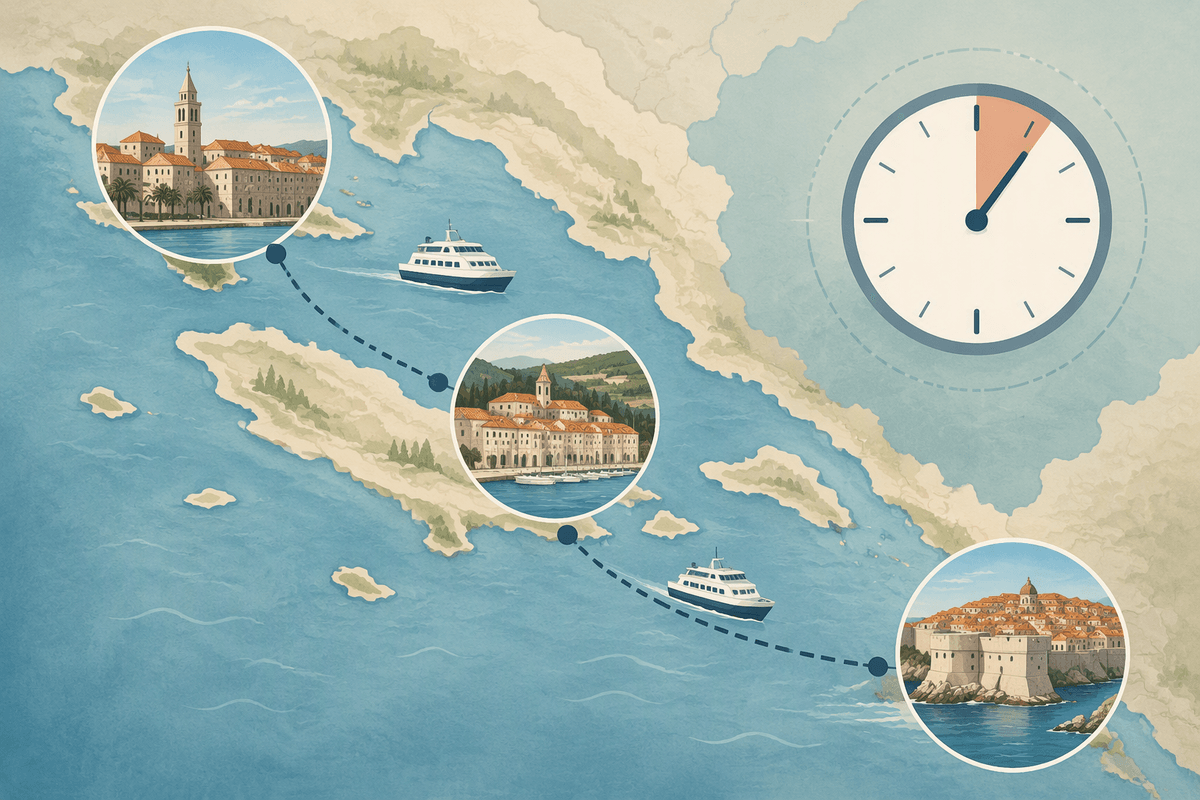
The moment you add “islands” and “Dubrovnik” into the same two-day window, the trip stops being about sights and starts being about clocks. We had to decide whether to chase the iconic Hvar postcard or protect our schedule—and in peak season, the ferry timetable is the boss. The cleanest version is choosing one island hop (or none) and treating Dubrovnik as a base you arrive to with enough daylight to orient yourself, not stumble in, hunt for parking, and call it a night.
Dubrovnik’s walls are the must, but they’re only enjoyable if you time them. Going early (before the heat and cruise-crowd surge) made the loop feel like a walk, not a shuffle; going midday turned it into slow, expensive sun exposure. The accommodation inside or near the old town is pricier, but staying far out can quietly cost you time and energy in buses, stairs, and return trips.
Hvar is the optional lever. It’s worth it if you’re already on the Split-side ferries and you can commit to a simple overnight, but a “Hvar daytrip plus Dubrovnik” plan often collapses into luggage churn and missed meals. What I’d skip is stacking daytrips from Dubrovnik (Elafiti, Montenegro, Mostar) in this slot—Day 6 is usually better spent buying back slack and letting Dubrovnik be itself.
Days 7–8 Slovenia: Must Lake Bled; Opt Ljubljana; Skip caves
By Day 7, Slovenia tends to show up as either a relief or a risk: relief if you’re craving clean logistics after the coast, risk if you underestimate how long it takes to unwind a Dubrovnik morning and still cross a border with daylight to spare. If you’re driving, this is where you want a boring plan—leave earlier than you think, expect at least one slow patch, and don’t schedule anything “timed” for your first afternoon beyond a simple lakeside loop. Lake Bled is the must because it delivers quickly: you can park, walk the perimeter, and feel like you’ve arrived even if you’re running late.
What works well at Bled is keeping it low-stakes: sunrise or early evening laps beat the midday crowd crush, and the trade-off is obvious—early alarms buy you space, late starts buy you lines and heat. If you’re torn between Bled and Ljubljana, Ljubljana is the optional add-on that’s easiest to enjoy as an evening or half-day: compact center, good food, and no “you must be here at 9:00” pressure. The thing I’d skip in this two-day slot is the caves—not because they aren’t impressive, but because they’re rarely “on the way,” and the detour plus ticket timing can turn your last stretch into another logistics day instead of a reset.
Wrap-up: pacing, budgets, and what to book ahead
The last planning hesitation for this route is always the same: do you “maximize” by adding one more place, or do you protect the days you already paid for with PTO. In practice, the trip feels best when you cap yourself at two true bases on the coast (Split-side plus Dubrovnik) and treat everything else as a single, deliberate detour (Plitvice) and a single reset (Bled/Ljubljana). Every extra overnight sounds cheap on paper, but it’s usually another check-in window, another parking hunt, and another half-day lost to moving.
Budget-wise, the mid-range win is choosing where to spend convenience: pay more for location in Dubrovnik (or at least easy transit), but save in Split by staying just outside the core if you’re willing to walk or bus. Car vs bus/ferry is the real lever: a car buys you Plitvice timing and flexibility, but one-way rentals, city parking, and border-day fatigue can erase the savings. What I’d book ahead in peak season: Plitvice entry/time slot, any must-do ferry legs (especially if you’re committing to an island overnight), and Dubrovnik lodging. Leave restaurant plans, Ljubljana details, and “nice to have” islands flexible—you’ll be glad when heat, crowds, or a slow travel day force a smarter call.